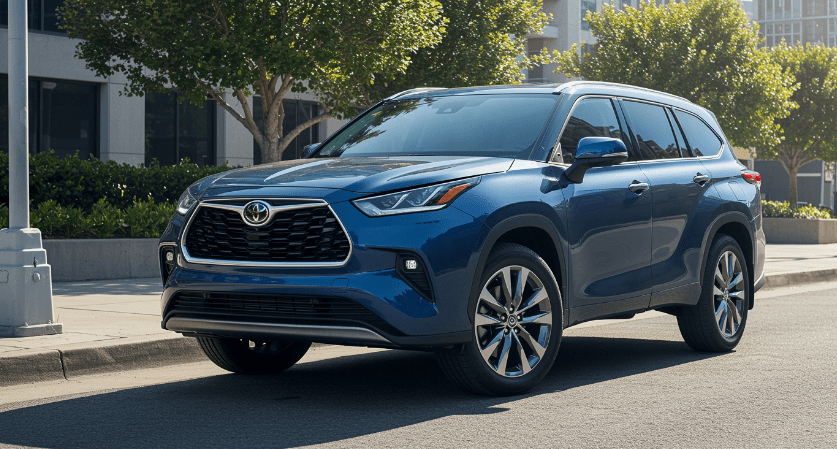
As the automotive landscape shifts dramatically toward electrification and hybrid powertrains, many SUVs are being redesigned or reimagined to keep pace with evolving consumer demands and environmental regulations. Yet amid this transformation, the 2025 Toyota Highlander continues to hold its own—not just as a reliable family hauler, but as a versatile, well-equipped three-row SUV that proves you don’t need to be fully electrified to stay competitive.
Toyota has long been a pioneer in hybrid technology, most notably with the iconic Prius. So it’s no surprise that the hybrid version of the Highlander has gained popularity in recent years. However, for 2025, Toyota is ensuring that both the gas-powered and hybrid versions of the Highlander remain relevant, appealing to a broad range of buyers who may not yet be ready to embrace full electrification—or who prioritize cost-effectiveness over plug-in convenience.
A Balanced Approach to Performance and Efficiency
The 2025 Highlander offers two powertrain options. The standard engine remains a 2.4-liter turbocharged four-cylinder producing 269 horsepower, paired with an eight-speed automatic transmission. This setup delivers strong acceleration and improved fuel economy compared to previous generations—achieving up to 26 mpg on the highway. For those seeking even better efficiency, the hybrid variant pairs a 2.5-liter four-cylinder engine with electric motors for a combined 243 horsepower, delivering an impressive EPA-estimated 36 mpg in city driving.
Both configurations offer smooth, responsive performance, with available all-wheel drive across the lineup. Whether navigating city streets or embarking on weekend adventures, the Highlander strikes a balance between comfort, capability, and efficiency.
Tech and Comfort: A Modern Family SUV
Inside, the 2025 Highlander continues to impress. With seating for up to eight passengers, a quiet cabin, and high-quality materials, it’s designed to accommodate growing families without sacrificing comfort or style. Toyota’s latest infotainment system comes standard, featuring a 12.3-inch touchscreen, wireless Apple CarPlay, Android Auto, and Amazon Alexa integration. Higher trims add premium JBL audio, digital key access, and advanced driver-assist features like adaptive cruise control, lane-centering assist, and automated parking.
Safety remains a top priority, with Toyota Safety Sense 3.0 included on all models. Features such as Pedestrian Detection, Road Sign Assist, and Proactive Driving Assist help make every journey safer and more stress-free.
Why the Gas Model Still Matters
While hybrids dominate headlines, the gas-powered Highlander still serves an important role in the market. It typically carries a lower starting price than the hybrid version, making it more accessible to budget-conscious buyers. Additionally, for drivers in regions where charging infrastructure is limited or for those who frequently travel long distances without stopping, the gas model offers peace of mind without range anxiety.
Moreover, Toyota has fine-tuned the internal combustion engine (ICE) version to deliver efficiency numbers that rival some competitors’ hybrid offerings—making it a compelling choice even in today’s eco-focused environment.
Final Thoughts
The 2025 Toyota Highlander may not be the most electrified SUV on the market, but it doesn’t need to be. By offering both gas and hybrid variants tailored to different lifestyles, Toyota ensures the Highlander remains a versatile, dependable, and stylish option in the crowded midsize SUV segment. As hybrids continue to rise in popularity, the Highlander proves that relevance isn’t solely about going electric—it’s about adapting intelligently to what drivers truly need.
 Autos Magazine
Leave a comment