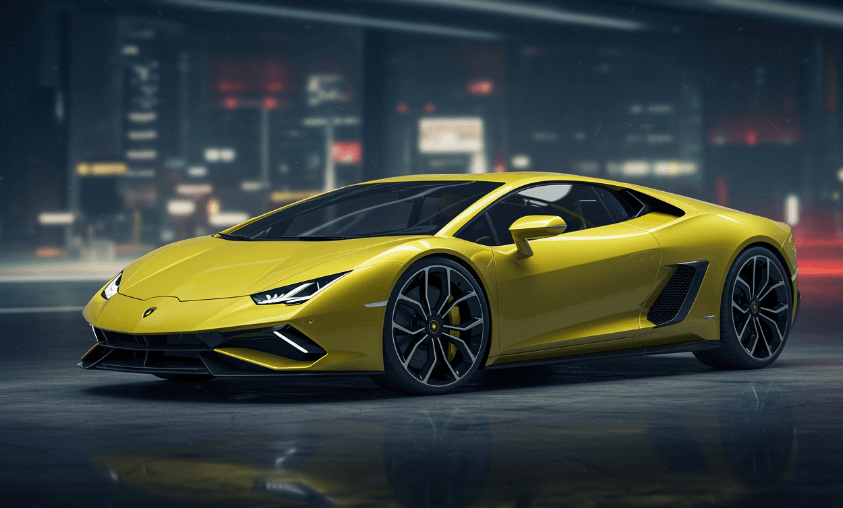
For decades, the name Lamborghini has been synonymous with unbridled power, ear-splitting exhaust notes, and the raw, visceral thrill of a naturally aspirated V10 or V12 engine. From the iconic Miura to the breathtaking Aventador, these Italian stallions have carved a niche in the automotive world that prioritizes emotion over efficiency, and a symphony of internal combustion over the silent hum of electricity. Yet, even the most traditional titans must eventually confront the relentless march of progress, and for Lamborghini, that progress comes in the form of electrification.
The automotive landscape is undergoing a seismic shift. Governments worldwide are imposing stricter emissions regulations, and consumer demand for sustainable transportation is steadily climbing. Every major automaker, from mainstream manufacturers to ultra-luxury marques, is scrambling to integrate electric vehicles (EVs) into their lineups. Lamborghini is no exception. For years, whispers and rumors have circulated about the marque’s first fully electric vehicle, a groundbreaking model poised to redefine the brand for the electric age. However, recent developments suggest that Lamborghini’s initial plunge into the EV pool might not be as deep as first anticipated. The possibility of their first “EV” arriving as a hybrid instead is now a significant talking point, raising questions about the brand’s commitment to pure electric power and its strategy for navigating this crucial transition.
Initially, Lamborghini had set an ambitious target for its first full EV. The expectation was for a completely new, fourth model line, distinct from their existing Huracán, Urus, and Revuelto offerings. This grand tourer, potentially a 2+2, was envisioned as a futuristic embodiment of Lamborghini’s design language and performance prowess, all powered solely by batteries. The idea was to create a vehicle that could offer both the exhilarating performance expected of a Lamborghini and the environmental responsibility demanded by the modern world. This was to be a bold statement, a definitive leap into the electric future, showcasing the brand’s ability to innovate while staying true to its heritage.
So, what’s prompting this potential pivot towards a hybrid solution? Several factors are likely at play. Firstly, the technological landscape for high-performance EVs is still evolving rapidly. While battery technology has made incredible strides, achieving the kind of sustained, track-day-worthy performance that Lamborghini owners demand, without significant weight penalties or range anxiety, remains a formidable challenge. For a brand built on extreme performance, compromises in these areas are simply not acceptable. A hybrid powertrain, even a plug-in hybrid (PHEV), could offer a compelling bridge. It allows for a significant reduction in emissions and fuel consumption during everyday driving, while retaining the on-demand power and thrilling sound of a combustion engine for those moments when true Lamborghini performance is desired.
Secondly, the “emotional” aspect of a Lamborghini cannot be overstated. A significant part of the ownership experience is the raw, unadulterated sound of a high-revving engine. While electric motors offer instant torque and incredible acceleration, they lack the auditory drama that has defined Lamborghini for decades. For many loyal customers, the absence of that iconic engine note might be a deal-breaker. A hybrid system, by retaining an internal combustion engine, even a smaller, turbocharged one, ensures that this crucial element of the Lamborghini experience isn’t entirely lost. It allows for a gradual evolution rather than a revolutionary shock to the system, potentially easing the transition for a customer base deeply attached to the traditional Lamborghini ethos.
Furthermore, the economic realities of developing an entirely new electric platform are immense. Lamborghini is a relatively small volume manufacturer compared to automotive giants. The investment required for a bespoke EV platform, complete with new battery technology, electric motor development, and charging infrastructure considerations, is staggering. Leveraging existing hybrid technologies or adapting an existing platform for a hybrid powertrain could significantly reduce development costs and accelerate time to market. This pragmatic approach might be a strategic move to secure the brand’s financial stability while still demonstrating a commitment to electrification.
It’s also worth considering the competitive landscape. While many luxury brands are going full EV, some, like Ferrari, are also heavily investing in plug-in hybrids as a stepping stone. This suggests that for ultra-high-performance vehicles, a purely electric solution might still be a few years away from truly matching the holistic performance and emotional appeal of a well-executed hybrid. Lamborghini might be observing its rivals and deciding that a more measured approach is the most prudent path forward, especially for their inaugural electrified model.
However, a shift to a hybrid for Lamborghini’s “first EV” wouldn’t be without its own set of challenges and potential criticisms. Some purists might argue that it’s a cop-out, a sign that the brand is not fully embracing the future. Environmental advocates might also question the extent of the brand’s commitment to sustainability if their first major electrified step isn’t a purely zero-emission vehicle. There’s also the risk of diluting the initial “wow” factor of a truly groundbreaking all-electric Lamborghini.
Ultimately, Lamborghini faces a delicate balancing act. They must innovate to remain relevant in a rapidly changing industry, but they must also stay true to the core tenets that have made them one of the most desirable automotive brands in the world. The decision to potentially launch their first “EV” as a hybrid instead of a full EV is a strong indication that they are prioritizing a gradual, less disruptive transition. It suggests a pragmatic approach to electrification, one that seeks to bridge the gap between their heritage and the future, while ensuring that the essence of what makes a Lamborghini a Lamborghini remains intact.
Whatever the final decision, one thing is certain: the future of Lamborghini will be electrified in some form or another. Whether their first major step is a pure EV or a sophisticated hybrid, it will undoubtedly be a vehicle that pushes the boundaries of performance and design, albeit with a new, quieter, and potentially more nuanced soundtrack. The roar of the V10 and V12 may eventually fade, but the spirit of the Raging Bull, it seems, will continue to charge ahead, adapting and evolving with the times. The question now isn’t if Lamborghini will embrace electrification, but rather how, and at what pace, they will ignite their electric future.
 Autos Magazine
Leave a comment