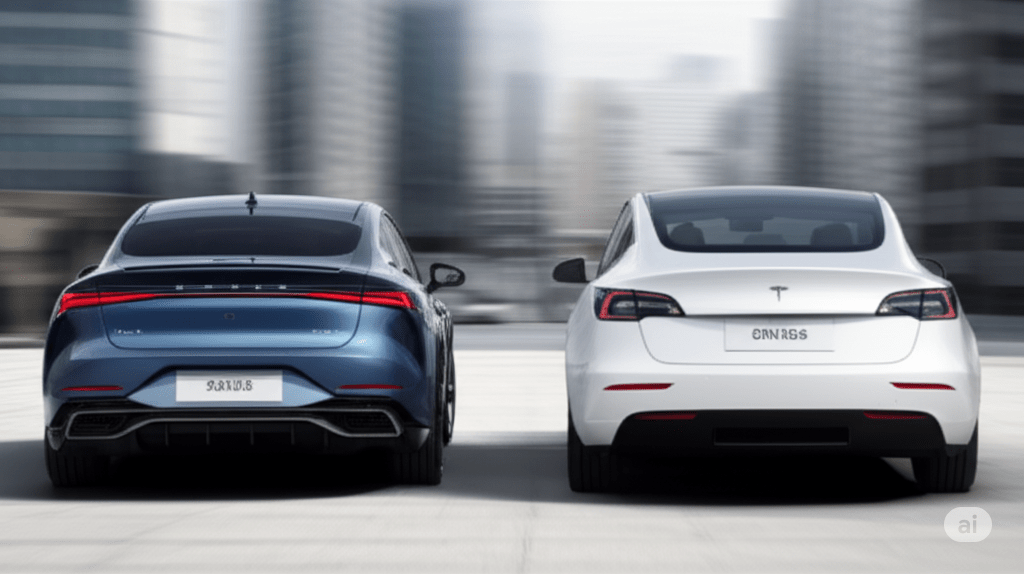
The electric vehicle landscape in Medan is buzzing with the arrival of a new contender: the Xiaomi SU7 electric sedan. While Tesla’s Model 3 has held a significant position in the premium EV segment, the Xiaomi SU7 is poised to offer a compelling alternative, potentially surpassing its American rival in several key aspects, particularly for the Indonesian market.
Pricing and Value Proposition: One of the most significant advantages the Xiaomi SU7 appears to hold is its anticipated pricing strategy. While official figures for the Indonesian market are yet to be released, industry analysts predict a more aggressive pricing point compared to the Tesla Model 3. This could make premium electric mobility more accessible to a wider range of consumers in North Sumatra, where value for money is a crucial consideration.
Cutting-Edge Technology and Smart Features: As a technology giant, Xiaomi has infused the SU7 with its expertise in smart devices and user interfaces. The sedan boasts a state-of-the-art infotainment system deeply integrated with Xiaomi’s ecosystem, offering seamless connectivity with smartphones and other smart home devices – a feature likely to resonate with Xiaomi’s existing customer base in Indonesia. Early reports suggest a more intuitive and feature-rich in-car experience compared to the Tesla Model 3’s interface.
Design and Aesthetics: The Xiaomi SU7 showcases a sleek and modern design language, often drawing comparisons to high-end European sports sedans. Its aerodynamic profile and attention to detail in both the exterior and interior design could appeal to Medan’s discerning drivers who value both performance and style. While design is subjective, the SU7 offers a distinct aesthetic that may attract buyers looking for an alternative to the Model 3’s more minimalist approach.
Localized Features and Market Adaptation: Understanding the nuances of the Indonesian market could give Xiaomi an edge. Features such as enhanced air filtration systems to combat Medan’s occasional haze, localized language support in the infotainment system, and potentially partnerships with local charging infrastructure providers could make the SU7 a more tailored and appealing option for Indonesian consumers.
Potential Performance and Range: While detailed specifications for the Indonesian market haven’t been fully disclosed, the Xiaomi SU7 is expected to offer competitive performance figures and a respectable driving range, potentially on par with or even exceeding some variants of the Tesla Model 3. The actual performance and range available in Indonesia will be a key factor in its success.
Challenges and the Established Competition: Despite its promising features, the Xiaomi SU7 faces the challenge of entering a market where Tesla has already established brand recognition and a growing charging infrastructure (albeit still developing in regions like North Sumatra). Building consumer trust and expanding charging network accessibility will be crucial for Xiaomi’s long-term success.
Conclusion: The arrival of the Xiaomi SU7 in Medan marks an exciting development in the local electric vehicle market. With its potential for competitive pricing, advanced technology, appealing design, and focus on localized features, the SU7 presents a strong challenge to the Tesla Model 3. As more details emerge regarding pricing and specifications for the Indonesian market, consumers in North Sumatra will have a compelling new option to consider in the premium electric sedan segment. The competition is heating up, and the ultimate winner will be the consumer who benefits from increased innovation and choice.
 Autos Magazine
Leave a comment